


Third International Symposium on Science, Humanities and Future Civilization Convenes in Kuala Lumpur
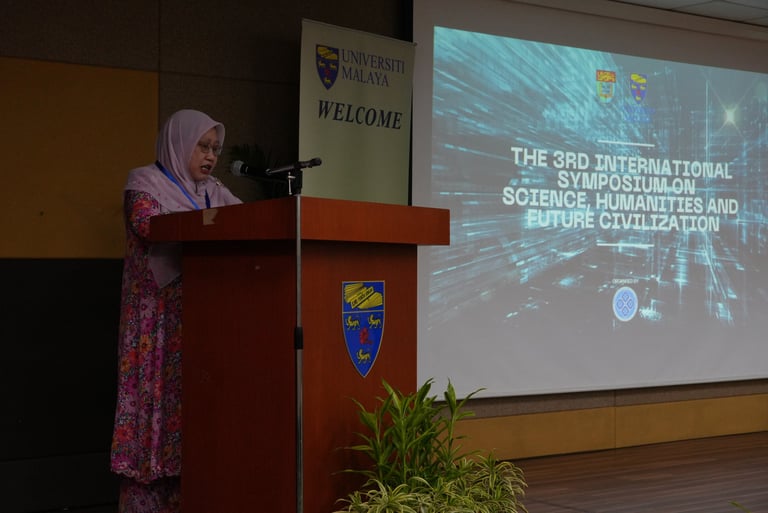
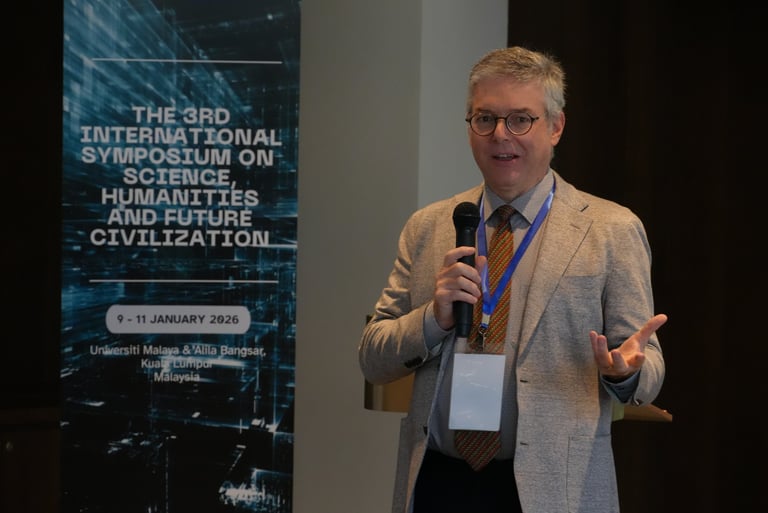
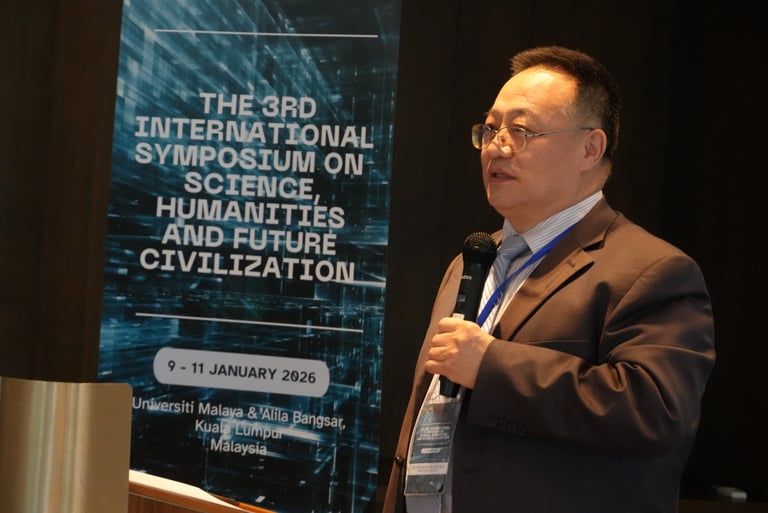
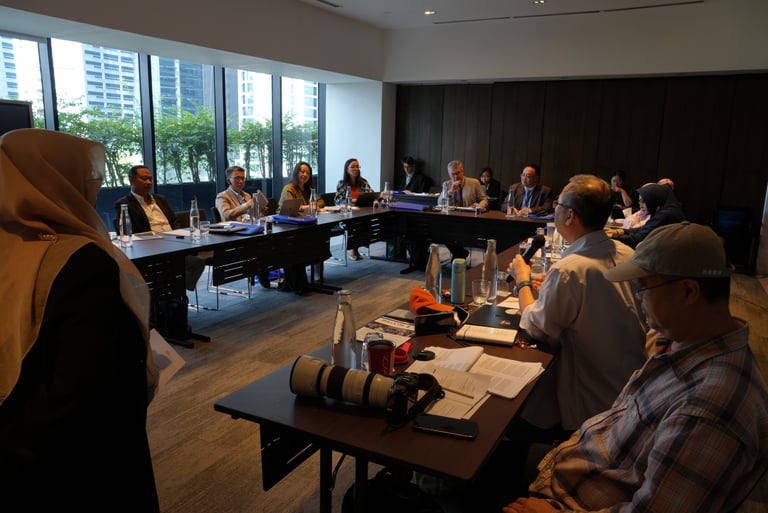
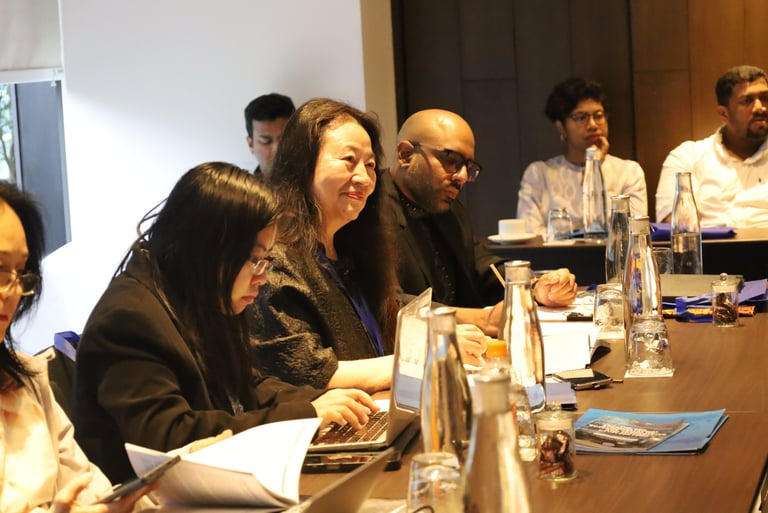
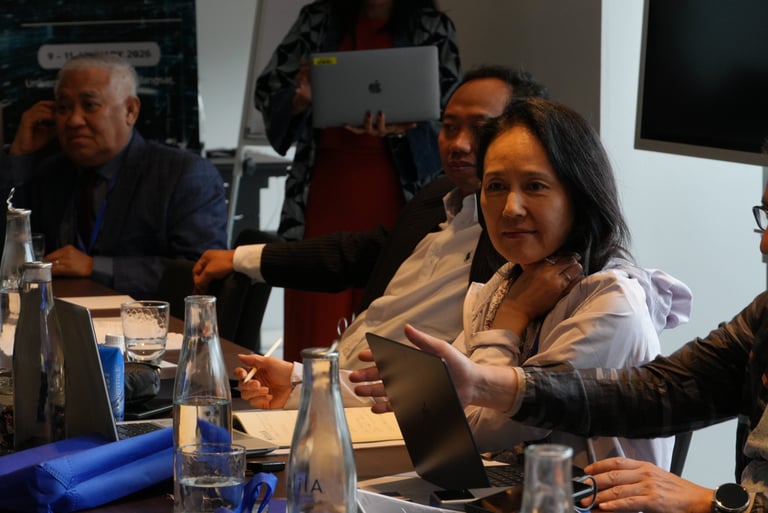
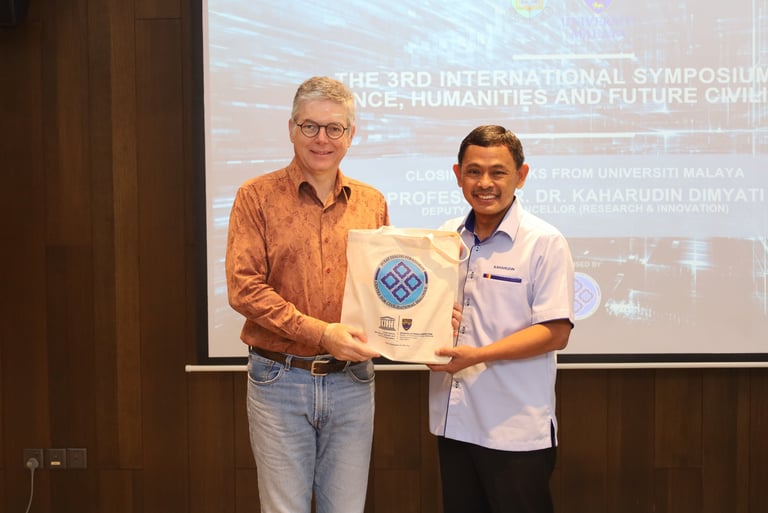
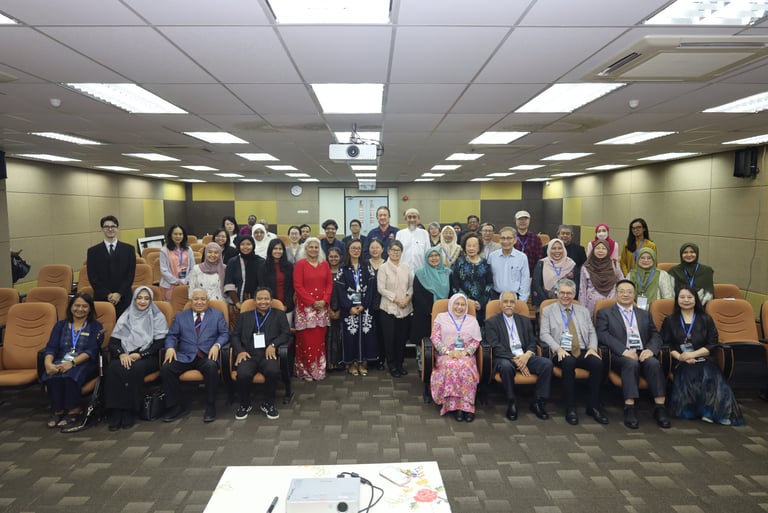
The Third International Symposium on Science, Humanities and Future Civilization was held in Kuala Lumpur, Malaysia, from 9–11 January 2026. Bringing together scholars from China, Malaysia, Indonesia, Japan, Hong Kong, as well as Europe and North America, the symposium explored fundamental questions concerning civilization, modern crisis, and the future trajectory of humanity.
1/19/20265 min read
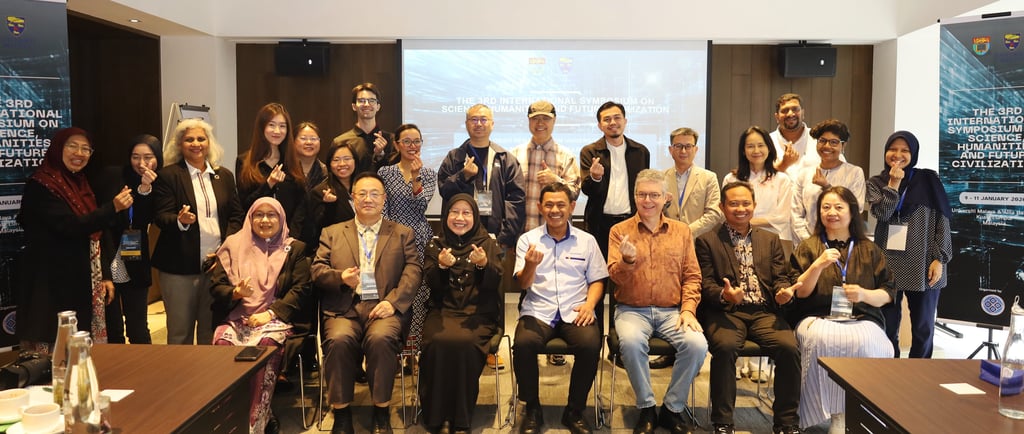
The Third International Symposium on Science, Humanities and Future Civilization was held in Kuala Lumpur, Malaysia, from 9–11 January 2026. Bringing together scholars from China, Malaysia, Indonesia, Japan, Hong Kong, as well as Europe and North America, the symposium explored fundamental questions concerning civilization, modern crisis, and the future trajectory of humanity. The symposium was co-organized by the Institute for Global Civilization (IGC), the Universiti Malaya Centre for Civilisational Dialogue (UMCCD), and the ASIAR research cluster at the Hong Kong Institute for the Humanities and Social Sciences at the University of Hong Kong (HKIHSS, HKU), and co-convened by Professor David A. Palmer (HKIHSS, University of Hong Kong), Professor Khadijah Mohd Khambali (Universiti Malaya), and Professor Liu Xiaoting (Beijing Normal University).
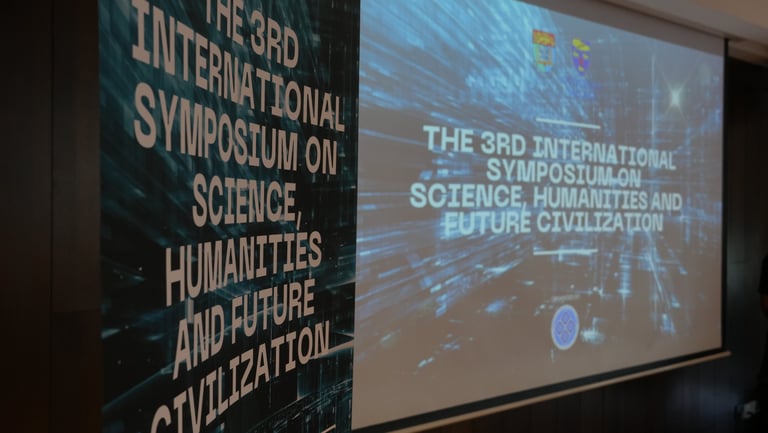
Civilization as a Renewed Problematic
Launched in 2023, the symposium series seeks to reopen the question of civilization as a key lens through which to understand the profound challenges of our age. While the inaugural meeting examined the relationship between science and the humanities, the second symposium—held in 2024 in Kathmandu—broadened the conversation into a cross-civilizational encounter involving participants from South Asia, West Asia, China, and the United States. The present gathering in Kuala Lumpur further expanded the dialogue into the Malaysia and Indonesia, whose layered histories and multiple religious and cultural inheritances enrich the terms of the discussion. Taken together, the three encounters have progressively moved from a multidisciplinary exchange toward a global dialogue on the future of civilization itself.
In this expanded intellectual field, “civilization” shifts from a descriptive historical category into a framework for thinking about human crisis, human future, and the forms of collective life that may emerge in the twenty-first century.
The Evolving Discourse of Civilization: From Hierarchy to Multipolarity
One of the central themes of the symposium concerned the transformation of the discourse on civilization itself. Since the late nineteenth century, civilization had been cast in a hierarchical register dominated by the West, positioning other civilizations in roles of imitation, modernization, or catch-up. In the post-colonial era, however, this hierarchical order has slowly given way to a multipolar configuration in which no single civilization can claim epistemic or normative precedence in defining humanity’s future.
The symposium highlighted different regional trajectories within this shift. In China, for example, the discourse emphasizes the continuity of its five-thousand-year-old civilization and its potential contributions to the construction of a shared world civilization. Western countries, by contrast, often approach the concept of civilization with ambivalence due to historical guilt associated with imperialism. The Malay–Indonesian world presents yet another model, in which Hindu, Buddhist, Islamic, Western, and indigenous strata coexist and interact within pluralistic political and cultural settings. Indigenous perspectives further complicate the picture by unveiling the “shadow” of civilization through critiques of exclusion, domination, and epistemic erasure.
Through such contrasts, the symposium articulated a civilizational landscape marked not by vertical ranking but by horizontal plurality, mutual learning, and co-construction—a post-Western, multipolar vision in which multiple traditions participate as equal partners in shaping global civilization.
Spiritual–Material Synthesis: Ecological Civilization and Agriculture as Mediating Fields
A second thematic thread engaged the tension and possible synthesis between the spiritual and material dimensions of civilization. Participants noted that contemporary crises are not only ecological, technological, or geopolitical in nature, but also crises of consciousness and meaning—symptomatic of a deeper civilizational rupture between spiritual life and material organization.
Several presentations suggested that a renewed civilizational orientation may begin with spiritual cultivation and self-understanding, extend into ethical and relational engagement with the natural world, and culminate in transformed material infrastructures. In this framework, ecological civilization becomes a pivotal mediating notion. Agriculture—both part of nature and part of culture—emerges as an early site where humans participate in the living world, and may therefore serve as a foundation for rethinking our material relations to land, food, and life. Industrial agriculture, it was argued, treats the world as inert resource, whereas ecological agriculture embodies reciprocity, restraint, and the nurturing of life.
Extending from small-scale practice to broader social systems, the concept of “humanistic engineering” was advanced as a means of reorienting technological and industrial design toward organic and life-affirming ends. Within such a civilizational ecology, technologies such as artificial intelligence would be situated not as autonomous forces dictating human futures, but as tools grounded in an ethical and spiritual horizon informed by consciousness, embodiment, and empathy.
Toward a Unified Vision of Future Civilization
These two thematic axes—civilizational multipolarity and spiritual–material synthesis—together provided the symposium with an integrated narrative through which to envision the future of civilization. The former addresses relations among civilizations and the shape of world order; the latter concerns relations among humans, nature, and technology. At their point of convergence emerges a possible horizon for future civilization: one grounded in dialogue rather than hierarchy, in life rather than extraction, and in plurality rather than homogenization.
Rather than proposing fixed models or universal prescriptions, the symposium advanced a methodological proposition: that future civilization may emerge through ongoing encounters among multiple civilizational traditions, each drawing from its own resources while entering into reciprocal learning with others.
Toward an Ongoing Conversation
Across its three editions—from China, to Kathmandu, to Kuala Lumpur—the symposium has demonstrated that the search for future civilization is neither episodic nor simply academic, but part of a longer process of inquiry unfolding across regions and traditions. Participants expressed strong interest in deepening research collaboration, cultural dialogue, and institutional partnerships in the years ahead. Future gatherings will continue to explore the intellectual, ethical, ecological, and technological dimensions of civilizational transformation in a multipolar world.
Far from concluding a debate, the Kuala Lumpur symposium marks the continuation of an evolving conversation on how humanity may reimagine and reconstruct civilization in the twenty-first century.
David A. Palmer
SITE MAP
Bridging research and community through spiritual growth, dialogue, and social engagement.
Home
Copyright © 2025 David A. Palmer. All Rights Reserved.
CONTACT
About
Publications
Resources
Team & Students