


World Religion Day 2026 Held in Hong Kong: Faith Communities Gather to Strengthen Meaningful Connections and Affirm Shared Humanity
Hong Kong, 31 January 2026 — World Religion Day 2026 was held on Saturday afternoon at the Royal Pacific Hotel in Tsim Sha Tsui, with around 200 participants in attendance, bringing together representatives of diverse religious traditions, academia, civil society, and public institutions to reflect on the theme “Finding Meaningful Connections — All Hearts Flow from One Source.”
2/5/20264 min read
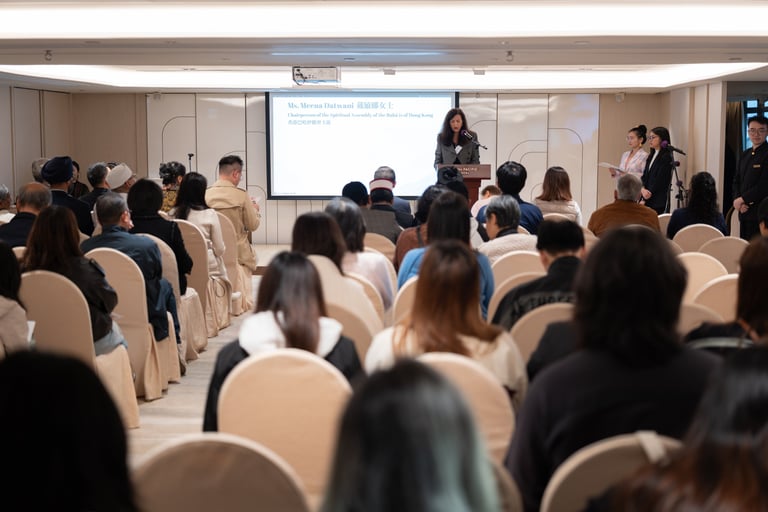
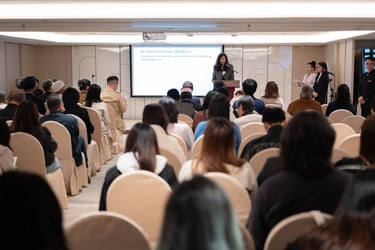
Hong Kong, 31 January 2026 — World Religion Day 2026 was held on Saturday afternoon at the Royal Pacific Hotel in Tsim Sha Tsui, with around 200 participants in attendance, bringing together representatives of diverse religious traditions, academia, civil society, and public institutions to reflect on the theme “Finding Meaningful Connections — All Hearts Flow from One Source.”
Organized by The Spiritual Assembly of the Bahá’ís of Hong Kong, the event was co-organized by the ASIAR Research Cluster of the Hong Kong Institute for the Humanities and Social Sciences at the University of Hong Kong and the Hong Kong Network on Religion and Peace, with the Ng Teng Fong Charitable Foundation and Sino Group serving as sponsors. The gathering reaffirmed Hong Kong’s longstanding role as a city of religious pluralism and peaceful coexistence.
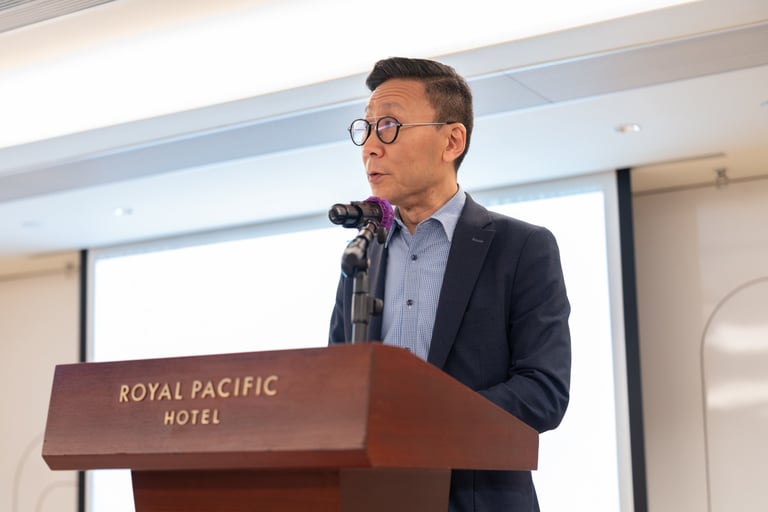
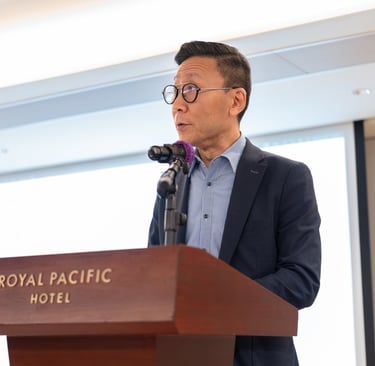
Mr. Paul Wong Yan Yin, Deputy Secretary for Home & Youth Affairs, noted that the Bahá’í community in Hong Kong has “always worked with one clear principle: the oneness of humanity. They build communities. They support education. They care for both material and spiritual well-being.” He added that “over the years, the Assembly has remained steadfast in strengthening social bonds and creating an enabling environment for the younger generations and people from various communities… This work… aligns with the Government’s efforts to promote religious development and social harmony.”
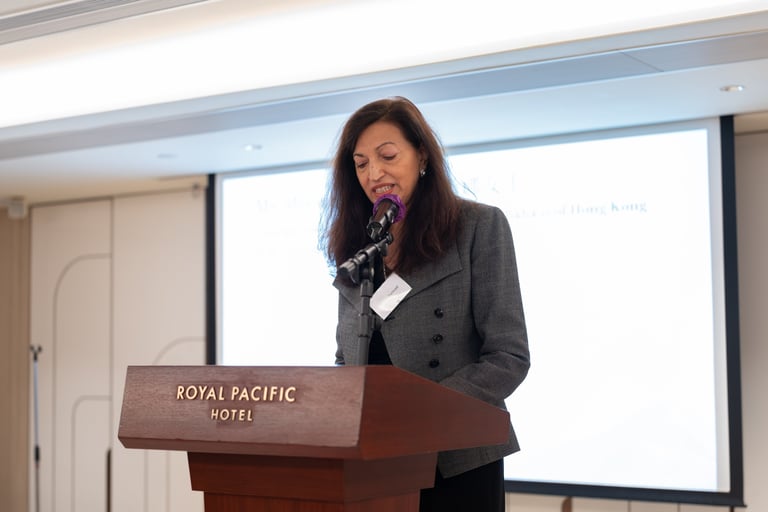
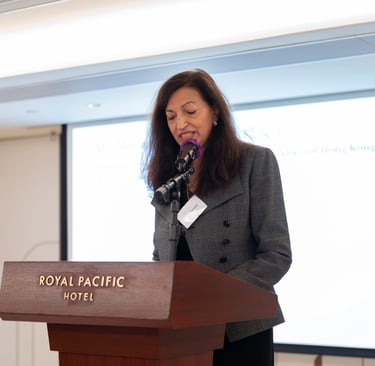
In her welcome address, Ms. Meena Datwani, Chairperson of the Spiritual Assembly of the Bahá’ís of Hong Kong, noted that World Religion Day was initiated by the Bahá’í community in 1950 as a global occasion to celebrate the shared spiritual foundations of the world’s religions. She emphasized that in a time marked by division, distraction, and social fragmentation, humanity’s longing for meaningful connection has become ever more urgent. Religious wisdom, she said, offers vital resources for rediscovering our common humanity and nurturing relationships grounded in compassion and mutual support.
This year’s gathering also included prayers dedicated to victims of recent tragedies, including the Tai Po fire, and their families, highlighting the importance of solidarity and collective care in times of suffering.
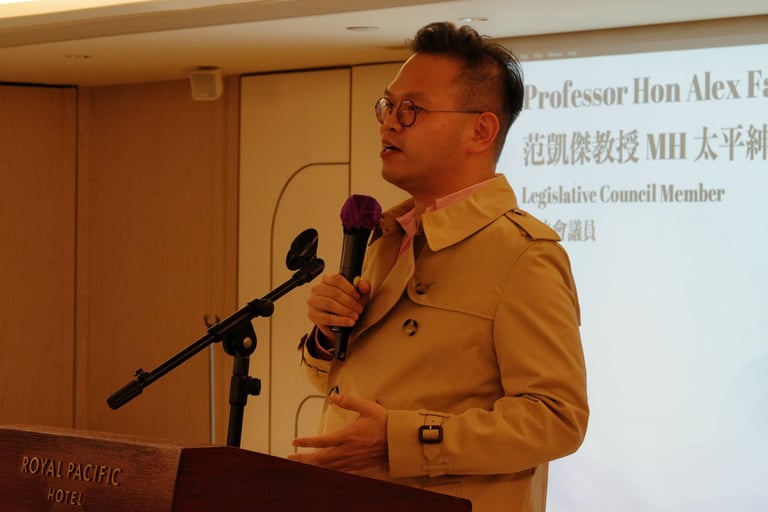
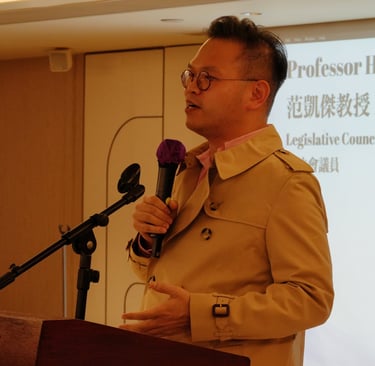
The event featured guest addresses by Mr. Paul Wong Yan Yin, Deputy Secretary for Home and Youth Affairs of the HKSAR Government; Professor Hon. Alex Fan Hoi Kit, MH, JP, Member of the Legislative Council; and Ms. Yao Yue, Executive Director of the Spiritual Care Working Committee of the China Association for Life Care. Drawing from perspectives in public service, youth development, and spiritual care, the speakers reflected on the social significance of rebuilding trust, strengthening communities, and fostering inclusive dialogue across differences. Legislative Council Member Hon. Alex Fan Hoi Kit noted that the gathering reflected “the finest embodiment of Hong Kong’s spirit: harmony in diversity, unity in multiplicity,” inspiring us “to practice inclusiveness and benevolence in our daily lives.”
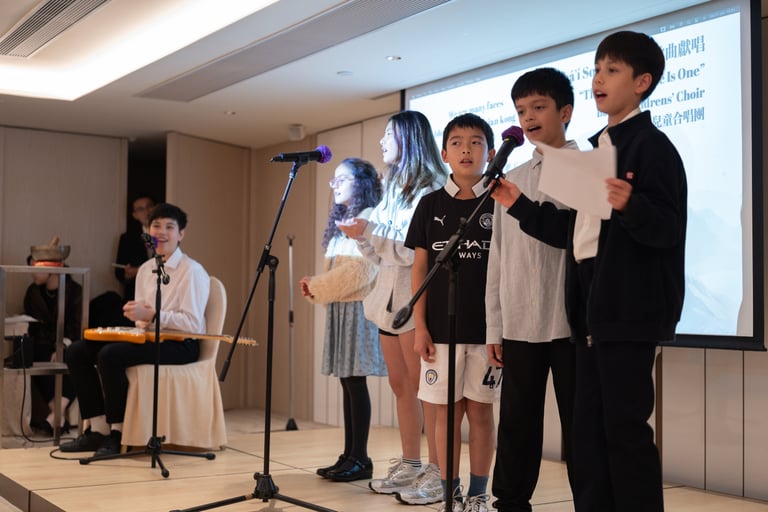
A central highlight of the program was the rich interfaith devotional and artistic sharing. Representatives from the Bahá’í Faith, Buddhism, Daoism, Judaism, Islam, Christianity, Sikhism, and Zoroastrianism offered prayers, chanting, and music. These included the chanting of the Heart Sutra mantra, Daoist flute music, a musical setting of Psalm 133, Qur’anic recitation, and multi-faith closing devotions. Together, these expressions created an atmosphere of reverence and harmony, vividly illustrating the theme of “All Hearts Flow from One Source.”
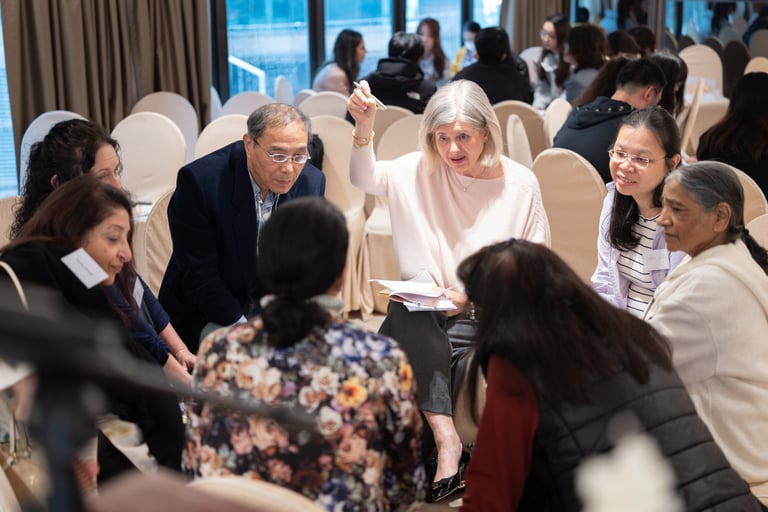
Participants also engaged in small-group discussions and plenary sharing sessions, exploring questions such as what constitutes a “meaningful connection,” how relationships can be nurtured with care and intention, and how recognizing the interconnectedness of all people can transform the way societies address conflict and social challenges. Special attention was given to the role of youth, whose courage, vitality, and sense of justice were seen as vital forces in strengthening community bonds and translating ideals into action.
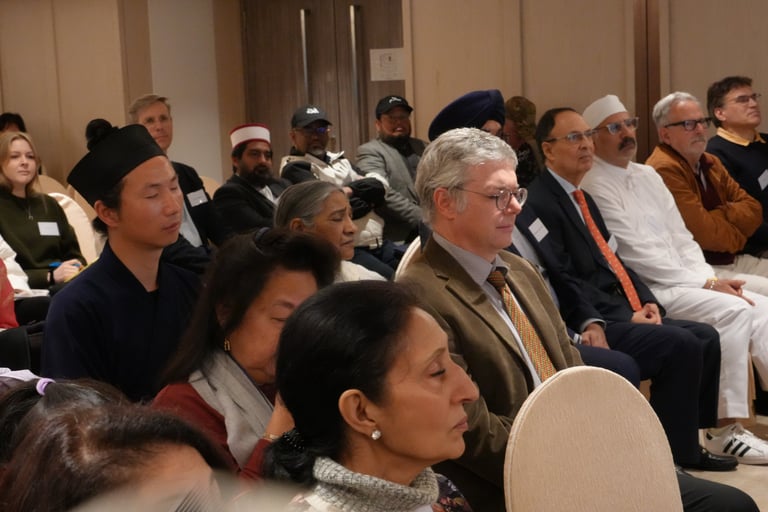
The gathering concluded with a period of meditation and quiet reflection, inviting participants to return inward and reconnect with the deeper spiritual sources shared across traditions. Organizers emphasized that World Religion Day is not merely a symbolic celebration, but an ongoing practice of learning from one another, serving society together, and cultivating relationships rooted in respect and empathy, reflecting a common teaching in the world’s spiritual traditions, including the Bahá’í Faith, to “shed the light of a boundless love on every human being whom you meet, whether of your country, your race, your political party, or of any other nation, color or shade of political opinion.”
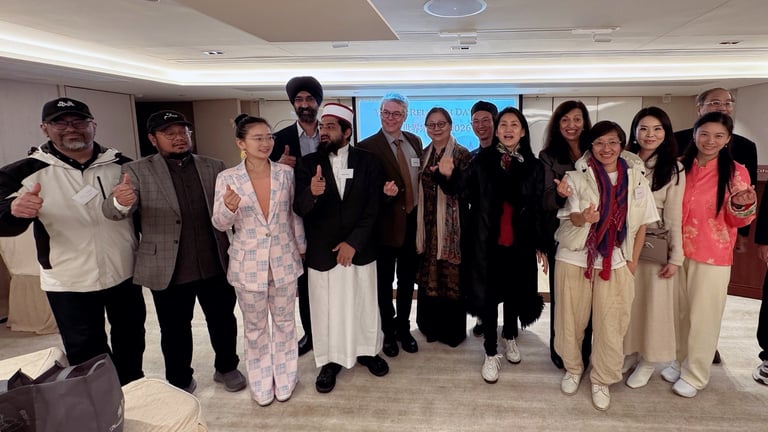
World Religion Day 2026 offered a timely reminder that while religious paths may differ in form, their aspirations toward meaning, love, and unity are profoundly aligned. As the theme of this year’s event affirmed, when hearts recognize their common source, genuine connection becomes the foundation for peace, resilience, and a more sustainable shared future.
David A. Palmer
SITE MAP
Bridging research and community through spiritual growth, dialogue, and social engagement.
Home
Copyright © 2025 David A. Palmer. All Rights Reserved.
CONTACT
About
Publications
Resources
Team & Students